


Who Has the Upper Hand in Today's Housing Market?Ask around and almost every homebuyer out there wants to know if there’s a way to get a better deal. And just about every seller wants to know

Dated: May 23 2025
Views: 249
Updated on April 1, 2025
No experience needed to plant a veggie garden that offers savings, outdoor fun, health benefits — and food!
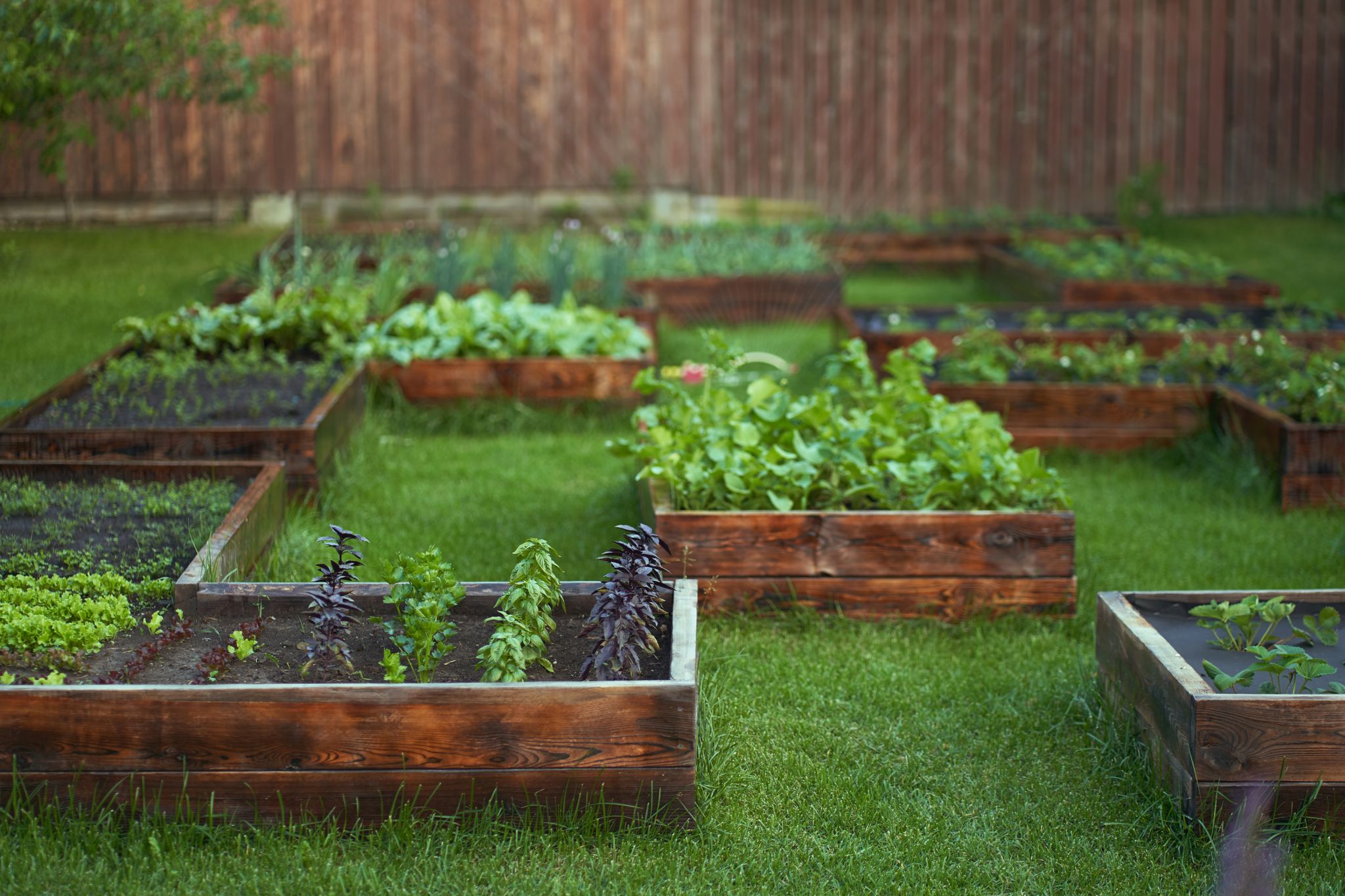
Have you been hit by the urge to try vegetable gardening? Yep, us too. These days, part of the motivation is probably financial. The National Grocers Association says up to 40% of fresh produce sold in U.S. food stores is imported, according to Reuters. So, if you factor in higher prices because of tariffs and inflation — well, you get the picture. On top of potential savings, DIY veggie gardening can reduce waste while ramping up family and outdoor fun, and even better health.
Those benefits have persuaded consumers to start or expand veggie and fruit gardening. In fact, 25% of American homeowners grow their own berries, vegetables, or fruit trees, according to the National Initiative for Consumer Horticulture. A dose of gardening is also good for your body and mind, reports Ohio State University. It even puts you in a better mood because it activates serotonin, the feel-good hormone, says Ohio State.
If you think a veggie garden would turn your backyard into a buggy mess, no worries. We’ve got tips to keep your garden looking good while you’re setting up for a harvest.
Whether you’re interested in vegetable gardening or some other edible type, you’ll need to lay the groundwork. After all, preparation leads to success.
Local resources are the best kind, says Desiree Sims, owner and head gardener of Peas and Love Edible Gardening Company in St. Petersburg, Fla. That’s because of the variation in what grows in what region and in which season.
Start by looking up your USDA grow zone to see which plants do thrive in your region. Then, find local sources to narrow down plant varieties and seasons.
“Connect with a local plant nursery because they’re really the experts on what grows well in your location,” Sims advises. “They usually have seeds too, but if not, you can connect to your local extension office.” The U.S. Department of Agriculture partners with universities in every state to create extension offices that give communities access to local, research-based information on all things gardening.
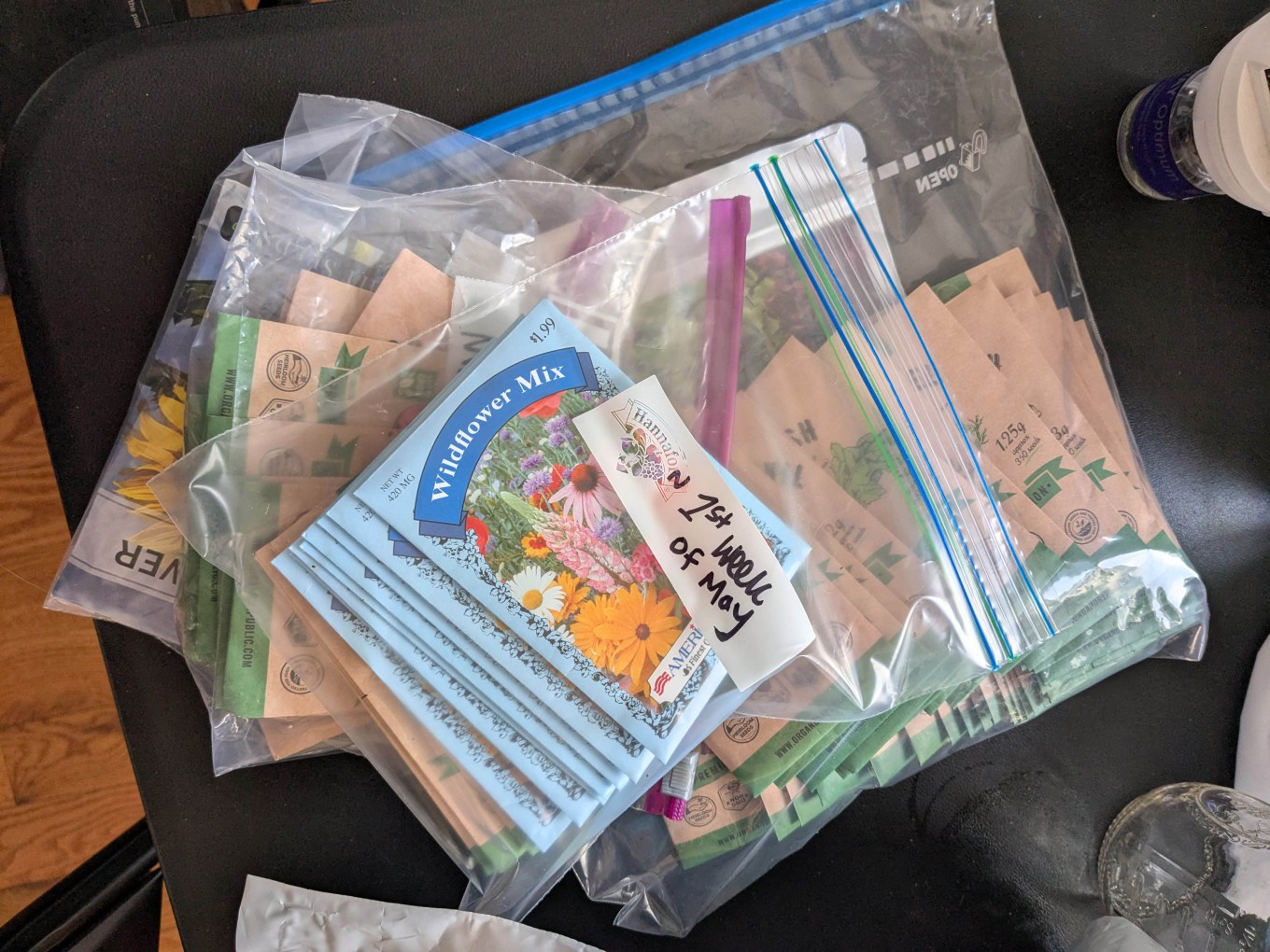
Whether you have a sprawling back yard or a condo balcony, a veggie garden is possible. For example, vertical gardens offer space efficiency for those with little space, Sims says. “They take up about two feet of space on the ground. A vertical garden that’s two feet at the base but five feet tall can fit up to 50 plants.”
For those with backyard space, you’ll need to figure out whether to plant directly in the ground or use raised beds, which work well when ground soil isn’t viable for growing, Sims says. Raised beds are also a good idea in states like Arizona, Florida, and Georgia, where the soil is sandy, desertlike, or heavy on clay.
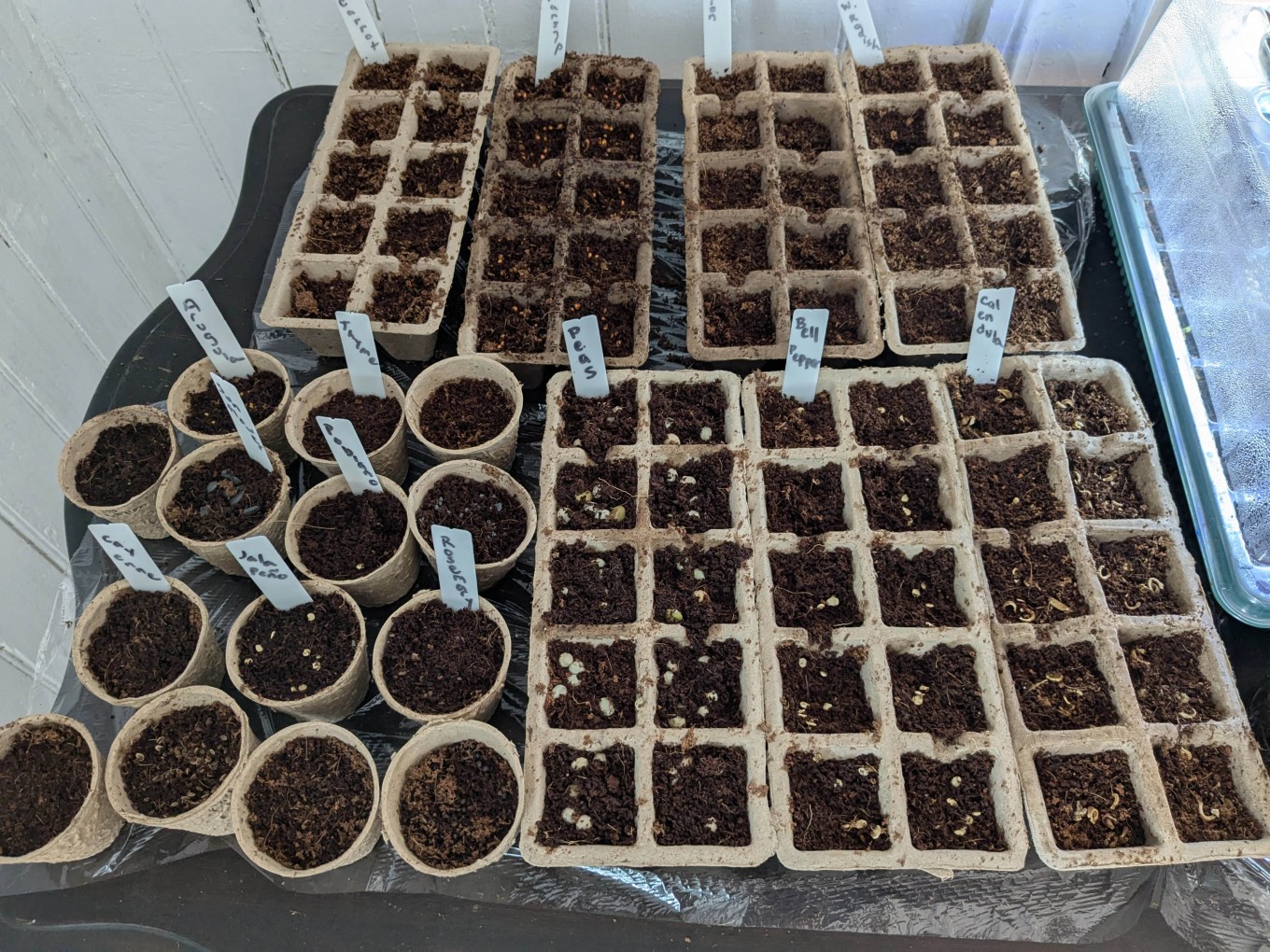
Your goal is to keep your veggie garden looking tidy rather than a sprawling mess. “Simply put, raised garden beds or a modular garden bed is the top choice for maintaining a well-defined edible garden,” says Jeff Collard, a horticulturist who works with True Leaf Market, an online seed retailer based in Salt Lake City. “It not only better defines the space and looks visually appealing, but also helps keep any running, spreading, or trailing plants from creeping out into the turf or yard as easily.”
Orienting your garden east to west will help your veggies, fruit, or herbs get uniform sunlight throughout the day, says Alex Kantor, owner of Perfect Plants Nursery in Florida’s panhandle.
Factor in how much sun a certain area gets before deciding what to plant. “The best way to do this is to walk into your yard at various times throughout the day to see if the sun is shining on that spot,” Sims says. You want to plant a vegetable garden in an area that gets about six hours of sunlight per day.
The length of the bed or row should typically range from four feet to eight feet. “You need to be able to reach the middle of the bed,” says Sims. “If kids will be gardening, keep their reach in mind.”
Kantor recommends a pyramid design. So, you'd put plants that grow tall in the middle, herbs along the outside, and spreading plants like squash in the corners so they have room to trail a bit over the bed when needed.
To make sure soil is balanced, you might have to amend it, which means adding things to make the soil suitable for growing healthy plants. “Adding ‘amendments’ to garden soil is an absolute must in almost any region,” says Collard. “Most backyards have been compacted and drained from nutrients over the years because of construction and building and water runoff.”
Cleaning chemicals and pesticides often pollute a backyard, so you can help revitalize outdoor and backyard soils by adding supplements like compost or cow manure and peat moss, and volcanic crushed stone, vermiculite, or perlite, he adds. When in doubt, consult your extension office.
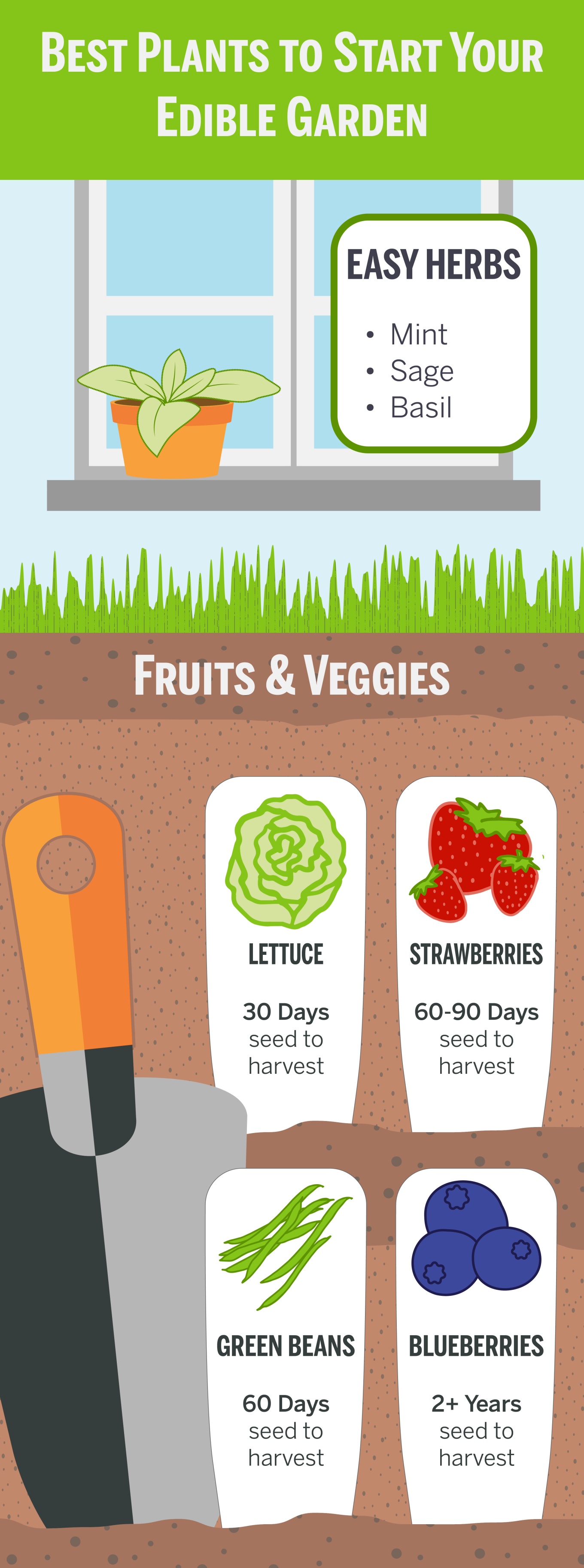
Whether you're new to veggie gardening or looking to expand, you'll want to harvest a healthy crop to avoid wasting money and eat what you grow. And face it, you want time to enjoy the summer. Some veggie and fruit plants and shrubs and herbs bear hearty crops more quickly than others. For (mostly) quick progress on veggies, fruit, and herbs, Sims and Kantor recommend these options, starting with vegetables:
For fruit and herbs, start with easy choices such as:
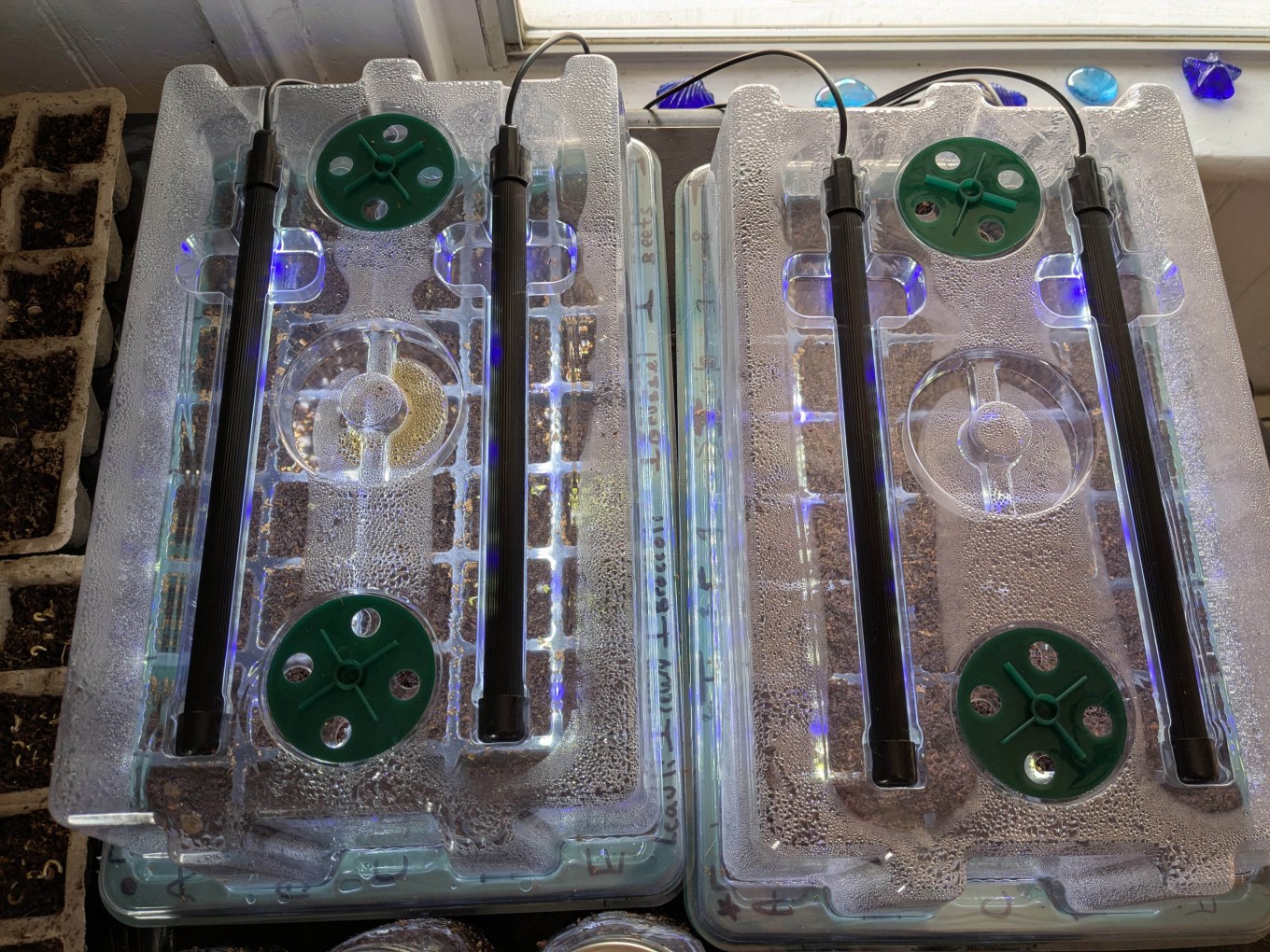
First-time veggie gardeners may have trouble with watering volume, Kantor says. “When leaves are turning yellow, that’s due to overwatering. If they’re wilting and turning brown, that’s a sign of underwatering.”
To prevent watering issues, he recommends automating the watering system, using small digital timers found in a local hardware store or online, and a standard soaking hose. “Use a water source at your home, like a spigot, connect the soaker hose to it, and the timer to the soaker hose. Then you just snake the hose through the garden bed at the base of the plants.”
The best way to prevent pests is to keep your garden healthy, says Sims. “Make sure the soil is well fed and healthy, your garden gets adequate sunlight and moisture for its needs, and you’re planting the right plant at the right time of year.”
Among the peskiest pests are aphids, “tiny bugs that suck the sap out of your plants,” Sims says. “The best way to get rid of them is to use your hose to blast them off with water.”
Another option is “companion planting,” which is planting certain flowers, herbs, or veggies that naturally deter pests, Collard says. For instance, garlic and green onion will drive away aphids, and leeks and chives will ward off spider mites.
Growing your own fresh vegetables, fruit, and herbs offers many benefits — savings and less waste, to name a couple. But don’t forget about the quality-of-life perks, like family fun on a shared project, better health from the exercise and fresh air, and a change of scenery in your backyard.
Interested in more real estate tips? Feel free to contact me directly!
Providing a superior level of informed, professional real estate services to buyers and sellers throughout Central Minnesota. We have agents specializing in residential, commercial, multifamily, new construction, existing, investment properties, foreclosures/REO, and short sales with offices located in:
Multiple Office Locations To Serve YOU!
Saint Cloud 320-259-4554
Princeton 320-983-3555
Sartell 320-259-4554
Little Falls 320-259-4554
Minneapolis 763-565-2000
Hutchinson 320-455-9127
Litchfield 320-298-1140
Premier Real Estate specializes in MANY areas around Central MN including Saint Cloud, Waite Park, Rice, Royalton, Sartell,
Who Has the Upper Hand in Today's Housing Market?Ask around and almost every homebuyer out there wants to know if there’s a way to get a better deal. And just about every seller wants to know
How to Find the Right Neighborhood When You MoveHouse hunters can focus so much on a house they want that they unintentionally slight other aspects of a new location. Your new neighborhood is at
Less House, More Home: Why Smaller Homes Are Paying Off for Today’s BuyersYou started shopping with a specific mental image of your future home in your mind. Then the houses in your budget
Do You Still Need a Home Office?Dedicated home offices are transitioning from must-haves to maybes, as many employees spend more days at the workplace. The home office isn’t disappearing, but
 The data relating to real estate for sale on this web site comes in part from the Broker Reciprocity Program of the Regional Multiple Listing Service of Minnesota, Inc. Real estate listings held by brokerage firms other than Premier Real Estate Services are marked with the Broker Reciprocity logo or the Broker Reciprocity thumbnail logo (little black
house) and detailed information about them includes the name of the listing brokers.
The data relating to real estate for sale on this web site comes in part from the Broker Reciprocity Program of the Regional Multiple Listing Service of Minnesota, Inc. Real estate listings held by brokerage firms other than Premier Real Estate Services are marked with the Broker Reciprocity logo or the Broker Reciprocity thumbnail logo (little black
house) and detailed information about them includes the name of the listing brokers.
The broker providing these data believes them to be correct, but advises interested parties to confirm them before relying on them in a purchase decision.
© 2026 Regional Multiple Listing Service of Minnesota, Inc. All rights
reserved
By searching, you agree to the End User License Agreement.
Digital Millennium Copyright Act (DMCA) Notice
The Digital Millennium Copyright Act of 1998, 17 U.S.C. 512 (the "DMCA"), provides recourse for copyright owners who believe that material appearing on the Internet infringes their rights under U.S. copyright law. If you believe in good faith that any content or material made available in connection with our website or services infringes your copyright, you (or your agent) may send us a notice requesting that the content or material be removed, or access to it blocked. Notices and counter-notices should be sent in writing by mail to Michael Bisping, Director, Customer Relations, Regional Multiple Listing Service of Minnesota, Inc, 2550 University Avenue West, Suite 259S
Saint Paul, MN 55114 or by email to mbisping@northstarmls.com. Questions can be directed by phone to 651-251-3200.
