
Who Has the Upper Hand in Today's Housing Market?Ask around and almost every homebuyer out there wants to know if there’s a way to get a better deal. And just about every seller wants to know

Dated: August 21 2025
Views: 159
Updated on May 8, 2025
Take these steps to minimize your risk of electrical fires.
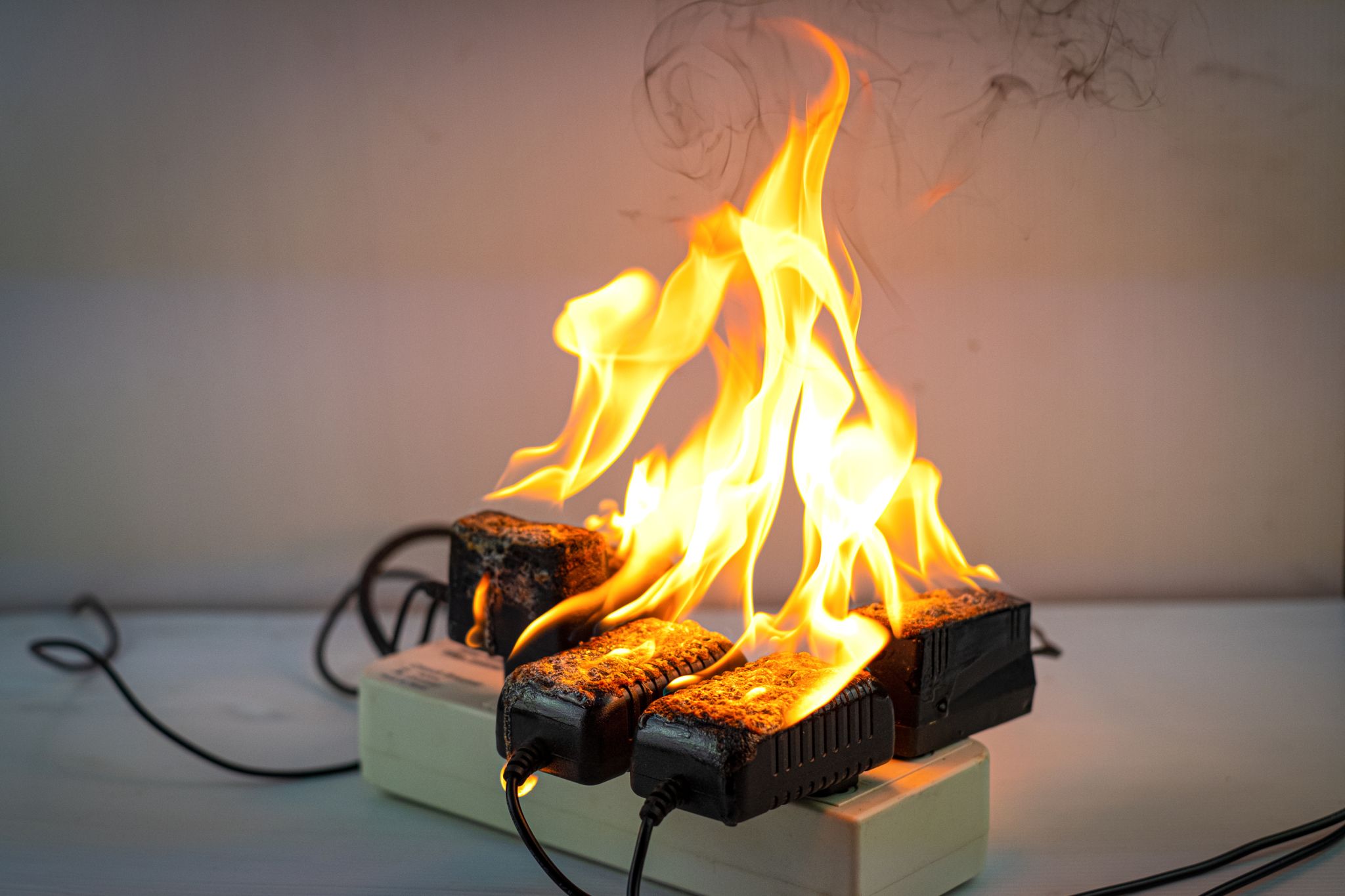
The average household needs a lot of electricity to power up. One little spark in the wrong direction could spell disaster. Each year, electrical fires cause nearly 500 deaths, nearly 1,400 injuries, and $1.3 billion in home damage, according to the Electrical Safety Foundation International.
Constant dimming or flickering lights, unusual sizzling or buzzing sounds, or repeatedly tripping circuit breakers are telltale signs of an electrical problem. But some electrical problems are less evident.
“Many of the causes of electrical fires occur behind walls, due to damaged wiring and most often don’t present any visual warning signs,” says Ashely Bryant Kees, a senior product manager at Siemens and part of a task force with the National Electrical Manufacturers Association. Several sources can cause electrical wiring fires of malfunction. They range from overgrown landscapes and pests to deterioration in an aging home.
Electrical fires are a serious hazard, with key risks including:
"Some of the more common causes of electrical fires are light fixtures,” says Tim Jankowski, president of Aladdin’s Cleaning & Restoration, a Michigan-based fire damage restoration company. Even using a light bulb with wattage that’s too high for the fixture could increase your risk. Beware: Home fires involving lighting equipment usually originate in a bedroom, according to the National Fire Protection Association.
Fire Prevention Tips:
Older homes with outdated wiring may not be able to handle the electrical loads needed to power up modern appliances. That's true even for everyday items like microwaves, hair dryers, or electric heaters, according to Home Alliance. Old electrical components can be at risk for overheating and sparking, and old appliances can cause electrical fires, Jankowski adds. He suggests upgrades of appliances that are more than 10 years old.
Fire Prevention Tips:
Thirty percent of electrical fires in homes occur from December through February, according to the NFPA. The cause is the increased use of space heaters and blankets, and flammable objects being left against electrical baseboard heating units, the association says. In 2022, fire officials in Bronx, N.Y., linked a deadly fire in a high-rise apartment building to a portable electric heater used in one apartment. The U.S. Fire Administration has flagged common dangers, like a heat source being too close to combustibles.
Prevention Tips:
“If you see you have an outlet with more plugs coming out of it than necessary or are plugging surge protectors into your surge protectors, you might want to reconsider your cord usage,” Jankowski says. Hire an electrician to install more outlets around the house. Warning signs of overloaded outlets include persistent light flickering, a burning smell, or discolored outlets.
Fire Prevention Tips:
Pests outside may look for refuge inside and can cause an electrical fire. Squirrels may enter your home in pursuit of food, says Meg Pearson, a training manager at Critter Control, a nationwide, humane wildlife removal company. “Once inside, they often nest and reside in the attic. The real danger arises when a squirrel chews the insulation on electrical wiring, creating the potential for a dangerous and costly house fire.”
Fire Prevention Tips:
Another potential risk is the installation of old-style aluminum wiring in about 2 million homes from the late 1960s to the mid-1970s, according to the Copper Development Association. Home builders often used aluminum wiring because it was more affordable than copper wiring. However, it became less popular because it tended to overheat when the electrical load was high, creating risk for an electrical fire, according to Angi. Take extra precautions if you have or suspect you have this type of wiring.
Fire Prevention Tips:
Arc faults ignite more than 30,000 home fires annually, making them a leading cause of electrical fires, according to the ESFI. Damaged, overheated, or stressed electrical wiring or devices cause these dangerous electrical problems, the ESFI says. They occur when older wires fray or crack, a nail or screw damages a wire behind a wall, or outlets or circuits are overburdened. An arc fault circuit interrupter senses abnormalities and automatically shuts off the electrical power before it overheats. The ESFI estimates that AFCIs could prevent 50% of fires caused by arc faults. The devices are required in newly built homes.
Fire Prevention Tip:
Beware of the danger of purchasing counterfeit circuit breakers, power strips, extension cords, batteries, and even holiday lights. These counterfeit electrical products can endanger your home and family because they aren’t tested for compliance with safety standards. Watch for less expensive products that try to copy a brand product or that don’t include independent certified marking. The EFSI recommends ways to avoid buying counterfeit products.
Fire Prevention Tips:
“You'd be surprised by how often landscaping factors can contribute to electrical issues and even home fires,” says Bryan Clayton, CEO of GreenPal, a nationwide landscaping resource. Bushes, trees, and plant life growing too close to your outdoor electrical boxes or meters can obscure and potentially damage electrical equipment, he adds. Also, large tree limbs hanging over power lines pose a significant risk to nearby homes.
Fire Prevention Tips:
Never attempt DIY electrical work. “Electrical work can be dangerous and cause severe injury or death if done wrong,” warns Joel Worthington, president of Mr. Electric, a nationwide electrical service and repair company.
Even after taking extra precautions, check smoke detectors regularly and, in homes with young children, consider installing tamper-resistant receptacles to prevent electrical shocks and burns, advises the ESFI.

Also, have fire extinguishers on hand that can put out an electrical fire. Make sure they have a class C or A-B-C rating, which indicates they’re effective against fires involving ordinary combustible materials, flammable liquids, and electrical equipment, Worthington says. Remember, if you try to douse an electrical fire with water — and not a chemical fire suppressant — you risk electrocution.
Education and prevention are critical to keeping your household safe from electrical fires.
Interested in more real estate tips? Feel free to contact me directly!
Providing a superior level of informed, professional real estate services to buyers and sellers throughout Central Minnesota. We have agents specializing in residential, commercial, multifamily, new construction, existing, investment properties, foreclosures/REO, and short sales with offices located in:
Multiple Office Locations To Serve YOU!
Saint Cloud 320-259-4554
Princeton 320-983-3555
Sartell 320-259-4554
Little Falls 320-259-4554
Minneapolis 763-565-2000
Hutchinson 320-455-9127
Litchfield 320-298-1140
Premier Real Estate specializes in MANY areas around Central MN including Saint Cloud, Waite Park, Rice, Royalton, Sartell,
Who Has the Upper Hand in Today's Housing Market?Ask around and almost every homebuyer out there wants to know if there’s a way to get a better deal. And just about every seller wants to know
How to Find the Right Neighborhood When You MoveHouse hunters can focus so much on a house they want that they unintentionally slight other aspects of a new location. Your new neighborhood is at
Less House, More Home: Why Smaller Homes Are Paying Off for Today’s BuyersYou started shopping with a specific mental image of your future home in your mind. Then the houses in your budget
Do You Still Need a Home Office?Dedicated home offices are transitioning from must-haves to maybes, as many employees spend more days at the workplace. The home office isn’t disappearing, but
 The data relating to real estate for sale on this web site comes in part from the Broker Reciprocity Program of the Regional Multiple Listing Service of Minnesota, Inc. Real estate listings held by brokerage firms other than Premier Real Estate Services are marked with the Broker Reciprocity logo or the Broker Reciprocity thumbnail logo (little black
house) and detailed information about them includes the name of the listing brokers.
The data relating to real estate for sale on this web site comes in part from the Broker Reciprocity Program of the Regional Multiple Listing Service of Minnesota, Inc. Real estate listings held by brokerage firms other than Premier Real Estate Services are marked with the Broker Reciprocity logo or the Broker Reciprocity thumbnail logo (little black
house) and detailed information about them includes the name of the listing brokers.
The broker providing these data believes them to be correct, but advises interested parties to confirm them before relying on them in a purchase decision.
© 2026 Regional Multiple Listing Service of Minnesota, Inc. All rights
reserved
By searching, you agree to the End User License Agreement.
Digital Millennium Copyright Act (DMCA) Notice
The Digital Millennium Copyright Act of 1998, 17 U.S.C. 512 (the "DMCA"), provides recourse for copyright owners who believe that material appearing on the Internet infringes their rights under U.S. copyright law. If you believe in good faith that any content or material made available in connection with our website or services infringes your copyright, you (or your agent) may send us a notice requesting that the content or material be removed, or access to it blocked. Notices and counter-notices should be sent in writing by mail to Michael Bisping, Director, Customer Relations, Regional Multiple Listing Service of Minnesota, Inc, 2550 University Avenue West, Suite 259S
Saint Paul, MN 55114 or by email to mbisping@northstarmls.com. Questions can be directed by phone to 651-251-3200.
