


Who Has the Upper Hand in Today's Housing Market?Ask around and almost every homebuyer out there wants to know if there’s a way to get a better deal. And just about every seller wants to know

Dated: June 2 2025
Views: 57
Updated on March 17, 2025
Recognize the first signs because fixing water damage early can prevent extreme trouble, like mold, and smooth the repair process
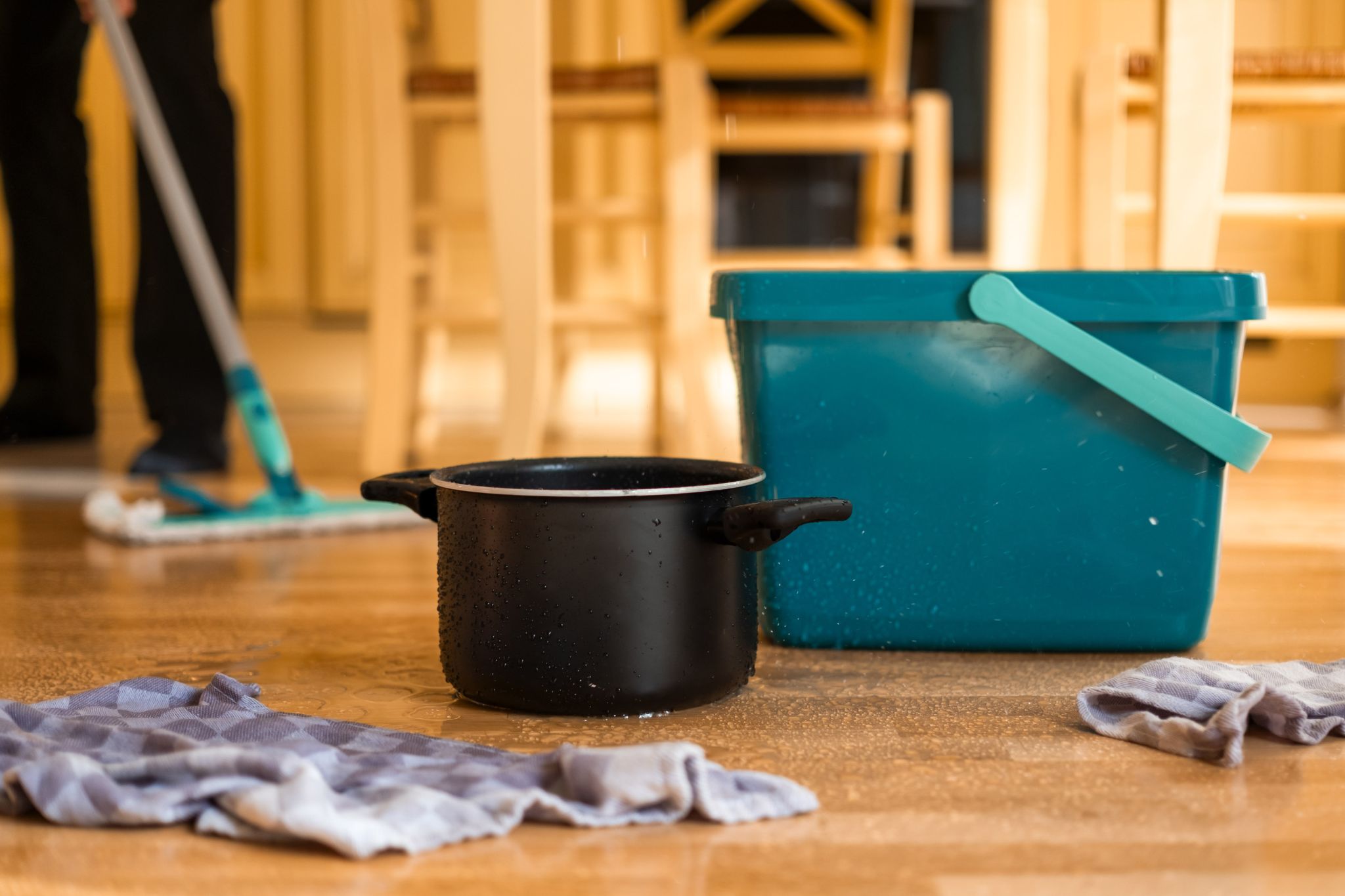
Burst pipes. Ice dams. Leaking toilets. Broken refrigerator icemaker. Water can infiltrate your cozy, warm, and dry home in so many ways that it’s no wonder about one in 60 insured homes has a property damage claim for water damage repair.
If you can clean up water damage immediately, you’ll be in much better shape to prevent further damage. Taking the right steps will help you restore your home and your sanity.
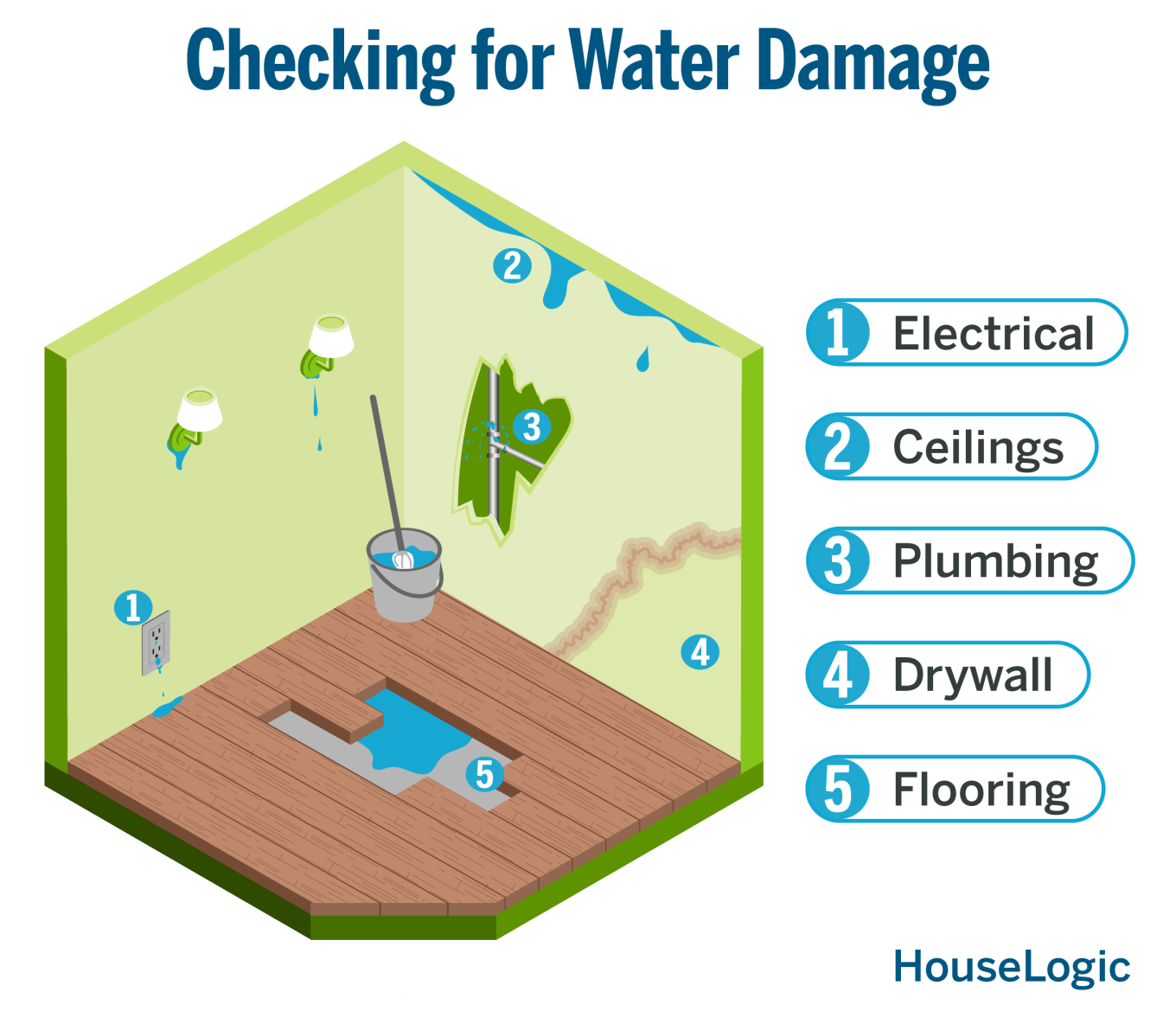
Water can be sneaky and may not announce itself dramatically — with a burst pipe, for example. “People don’t notice things until it’s a bad situation,” says Taylor Freeman, lead foreman for Brothers on The Side, which handles plumbing emergencies and does renovations and remodels in Dallas, Georgia. He recommends checking your ceiling for stains, looking under your sink for puddles, and examining pipes for cracks.
“Keep your eyes open and find a small problem while it’s still a small problem."
Taylor Freeman
This early intervention will not only prevent more water damage, but also results in a smoother repair process. First, assess the damage. For example, if you see a water stain on the ceiling, “draw with a pencil around the stain and look at it again in a few hours or the next day to see if it’s grown. If it’s getting wetter or you’re talking about a large area, it could be a leak in a water line.” That’s when you’d call a plumber for help. Untreated leaks can lead to structural or electrical damage. “If you know the spot only gets wet after rain, it could be a drain line and isn’t near as much of an emergency.”
If you have standing water, clean up the water damage right away and follow these steps:
In addition, take photos or videos, “even before you do any temporary repairs, and afterward, keep all your receipts,” says Janet Ruiz, director of strategic communication at the Insurance Information Institute. “Doing temporary repairs right away can help you to avoid mold.”
If you find a leak, turn off the nearest water supply. A leak behind an electrical outlet or near something electrical requires you to turn off the electricity. And you should turn off the main water valve if the leak is larger or you see standing water. “This main valve is typically inside the house, likely in your basement or garage, pretty close to the water heater,” says Freeman, who tags the main valve for his clients because many people don’t know where it’s located. And don't wade into standing water in the basement; you an electric current could seriously injure you. Turn off the power and call an electrician.
If you have a basement, ground water could be seeping in there. Your water heater might also be in the basement. And your kitchen is likely on the main level. While you may not know if your home is prone to water infiltration, it’s a good idea to store your valuables in the upper regions of your home just in case.
However you decide to start water damage repair — via a shop vac, buckets, or towels — you want to do it safely. As mentioned previously, turn off the power. Wear safety goggles, work gloves, long sleeves, and high rubber boots. Put a mask over your mouth and nose to avoid inhaling mold or bacteria.
If you’re up against a high-risk or extreme situation, it’s probably time to contact your insurer, who will direct you to a professional mitigator. Once they take care of the immediate problem, call a plumber to find the source and stop the leak. (See the list of the categories of water damage repair, below.)
Once you're able, inspect your home or apartment — particularly your basement floor and walls, bathroom walls, crawlspaces, areas near plumbing, and air ducts — for stains, dampness, and mold.
A moisture meter can help you detect concealed moisture (even behind walls) and possible spots of mold, says Ian Giammanco, lead research meteorologist for the Insurance Institute for Business and Home Safety, who holds a doctorate in wind science and engineering . You can find a moisture meter easily online and at big box stores.
Remember to document any damage with photos and notes for your insurance company. If you’re not sure you should call in a professional, consider this list of classes of water damage:
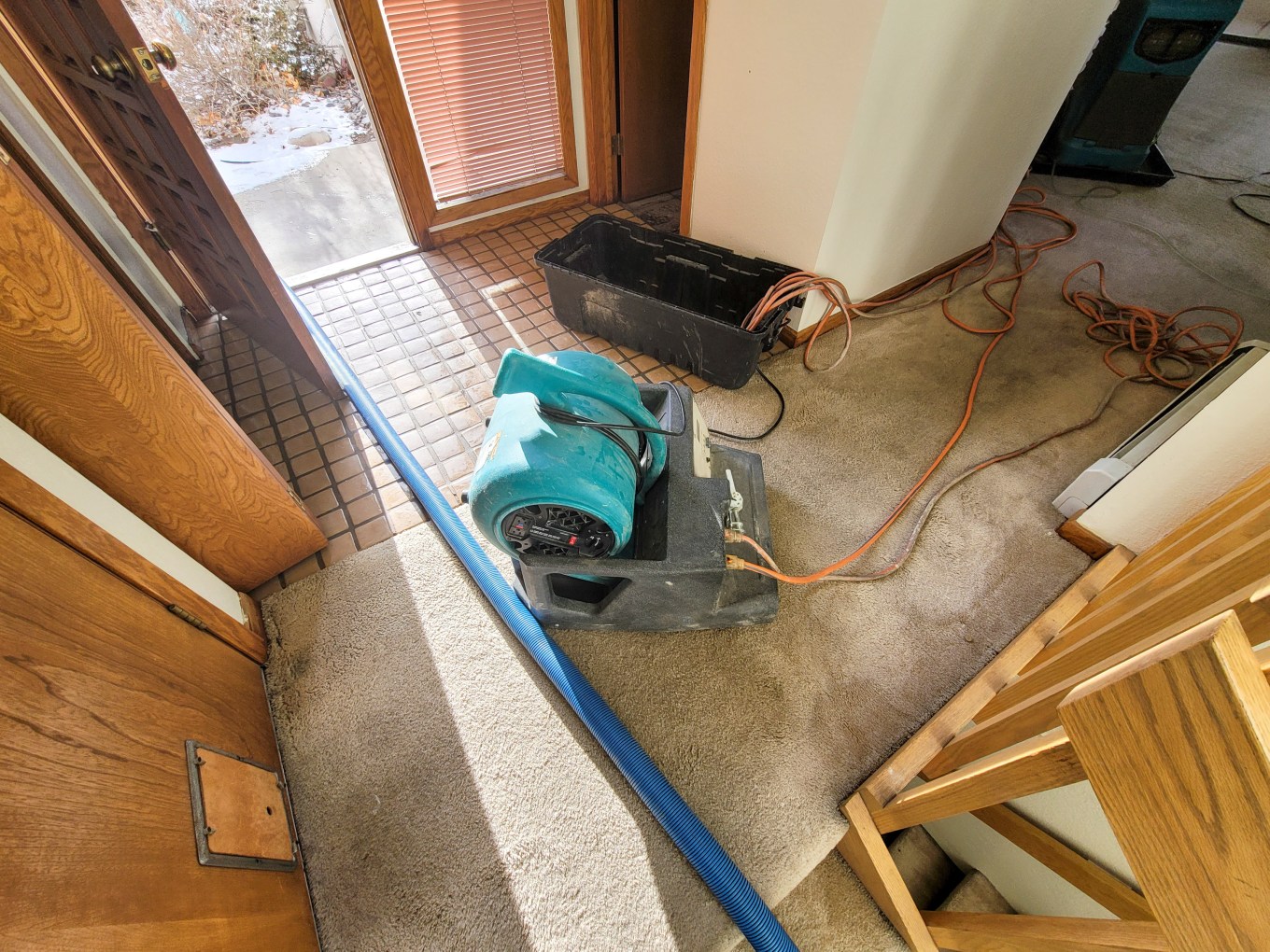
You may feel like throwing in the towel — and now’s the time to do it. But that may not be enough. Get out the dehumidifier (or rent one) to suck up the moisture and fans to move the air around to thoroughly dry all the affected areas. Drying out your place makes it more difficult for mold to grow.
Once your space is dry enough, it’s time to clean. Remember that when you're cleaning and disinfecting, you need proper ventilation. Consider hiring professionals if mold is severe.
The bad news is that with water damage, you’ll likely need to have some structural repairs made. But there’s a positive side, Giammanco says. “If you have to gut the drywall after water damage, when the structure of the home is opened up, you have an opportunity to improve some of the structural features.” Those include the roof-to-wall and wall-to-foundation connections — spots where water may seep in.
Don’t fret that you’ll need a professional for everything. You can likely DIY minor drywall fixes or flooring touch-ups. But for anything that might be dangerous or cause you to think you’d be in over your head, get help.
The best protection against water damage is prevention. Stay vigilant for ongoing problems and set a regular maintenance schedule for cleaning gutters, inspecting pipes for cracks and leaks, and getting plumbing inspections to prevent future water damage repairs.
Ultimately, prevention measures will make it easier to repair your home if water damage occurs. They will also help you maintain your safety and your home’s value.
Along with routine inspections and proper maintenance of plumbing and roofing, consider installing a sump pump to reduce the risk of water damage. A sump pump doesn’t let the water level rise too high and removes the water, sending it away from your house. It's usually located in the basement.
You might also invest in a water leak detection kit, which monitors the flow of water and helps you locate a leak in your plumbing. There are smart versions that alert you of a leak. Some versions even have an automatic shutoff. “It’s a great investment and not typically expensive,” Freeman says. “But even if it [costs] a thousand dollars, it’s worth the money. If a pipe bursts and you don’t turn off the water, you’re looking at possibly tens of thousands of dollars of damage.”
Don’t forget the exterior. “Pay attention to how water flows around your home. A French drain, or other drainage system, especially near a retaining wall will help water flow away from design features,” Giammanco says. “And design landscaping to drain water away from the foundation.” That will reduce the risk of future water damage, he adds.
“Water damage is the most common and costly disaster that people experience with their home. It costs billions of dollars annually,” Ruiz says. Different types of policies cover different types of water damage. Basically, “water coming from the ground up is considered flooding and is not covered by your homeowner’s policy.” You’d need to have purchased flood insurance to cover that. “There’s also sewer and drain backup coverage that you can purchase in addition to your homeowner’s insurance." That can cover an accident that causes sewers and drains to back up.
Typically, a homeowner’s policy covers water damage caused by “water from above coming into the house and causing damage,” Ruiz says. Think a hurricane blowing off your roof and rain getting in. Also policies cover burst pipes and damage from ice dams during winter storms.
The bottom line is that your homeowner’s policy covers direct physical accidents, not situations that are maintenance issues. Review your policy with your insurance provider to determine your coverage. But don’t wait until you’ve got water damage to do so.
If you need water damage repair, don’t delay. Make sure to do temporary repairs right away to avoid mold, Ruiz cautions. You don’t want to incur further damage or health risks.
And of course, take precautions for your own and your family’s safety. If electricity is involved, call in a professional.
Interested in more real estate tips? Feel free to contact me directly!
Providing a superior level of informed, professional real estate services to buyers and sellers throughout Central Minnesota. We have agents specializing in residential, commercial, multifamily, new construction, existing, investment properties, foreclosures/REO, and short sales with offices located in:
Multiple Office Locations To Serve YOU!
Saint Cloud 320-259-4554
Princeton 320-983-3555
Sartell 320-259-4554
Little Falls 320-259-4554
Minneapolis 763-565-2000
Hutchinson 320-455-9127
Litchfield 320-298-1140
Premier Real Estate specializes in MANY areas around Central MN including Saint Cloud, Waite Park, Rice, Royalton, Sartell,
Who Has the Upper Hand in Today's Housing Market?Ask around and almost every homebuyer out there wants to know if there’s a way to get a better deal. And just about every seller wants to know
How to Find the Right Neighborhood When You MoveHouse hunters can focus so much on a house they want that they unintentionally slight other aspects of a new location. Your new neighborhood is at
Less House, More Home: Why Smaller Homes Are Paying Off for Today’s BuyersYou started shopping with a specific mental image of your future home in your mind. Then the houses in your budget
Do You Still Need a Home Office?Dedicated home offices are transitioning from must-haves to maybes, as many employees spend more days at the workplace. The home office isn’t disappearing, but
 The data relating to real estate for sale on this web site comes in part from the Broker Reciprocity Program of the Regional Multiple Listing Service of Minnesota, Inc. Real estate listings held by brokerage firms other than Premier Real Estate Services are marked with the Broker Reciprocity logo or the Broker Reciprocity thumbnail logo (little black
house) and detailed information about them includes the name of the listing brokers.
The data relating to real estate for sale on this web site comes in part from the Broker Reciprocity Program of the Regional Multiple Listing Service of Minnesota, Inc. Real estate listings held by brokerage firms other than Premier Real Estate Services are marked with the Broker Reciprocity logo or the Broker Reciprocity thumbnail logo (little black
house) and detailed information about them includes the name of the listing brokers.
The broker providing these data believes them to be correct, but advises interested parties to confirm them before relying on them in a purchase decision.
© 2026 Regional Multiple Listing Service of Minnesota, Inc. All rights
reserved
By searching, you agree to the End User License Agreement.
Digital Millennium Copyright Act (DMCA) Notice
The Digital Millennium Copyright Act of 1998, 17 U.S.C. 512 (the "DMCA"), provides recourse for copyright owners who believe that material appearing on the Internet infringes their rights under U.S. copyright law. If you believe in good faith that any content or material made available in connection with our website or services infringes your copyright, you (or your agent) may send us a notice requesting that the content or material be removed, or access to it blocked. Notices and counter-notices should be sent in writing by mail to Michael Bisping, Director, Customer Relations, Regional Multiple Listing Service of Minnesota, Inc, 2550 University Avenue West, Suite 259S
Saint Paul, MN 55114 or by email to mbisping@northstarmls.com. Questions can be directed by phone to 651-251-3200.
