
Who Has the Upper Hand in Today's Housing Market?Ask around and almost every homebuyer out there wants to know if there’s a way to get a better deal. And just about every seller wants to know

Dated: August 13 2025
Views: 82
Published on Aug. 12, 2025
Repair those brown spots in your grass for a healthy lawn and more curb appeal.
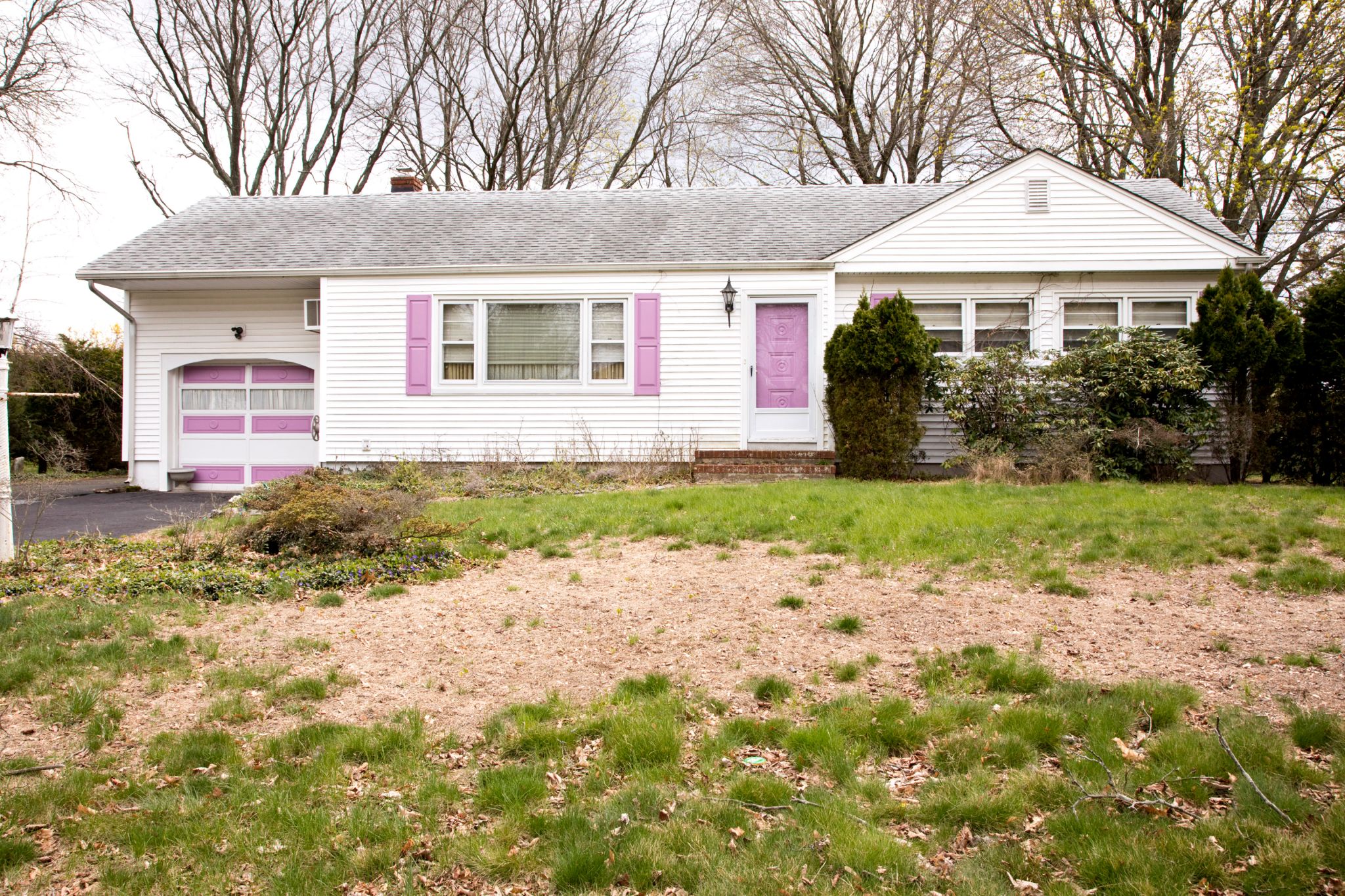
Many homeowners love the sight of a lush, green lawn. If they notice brown spots emerging, however, the love turns to concern about how to fix them. Those unsightly brown spots or bare patches detract from a lawn's beauty and often signal underlying issues that need attention.
Understanding what’s creating the brown spots will help you choose the right remedy.
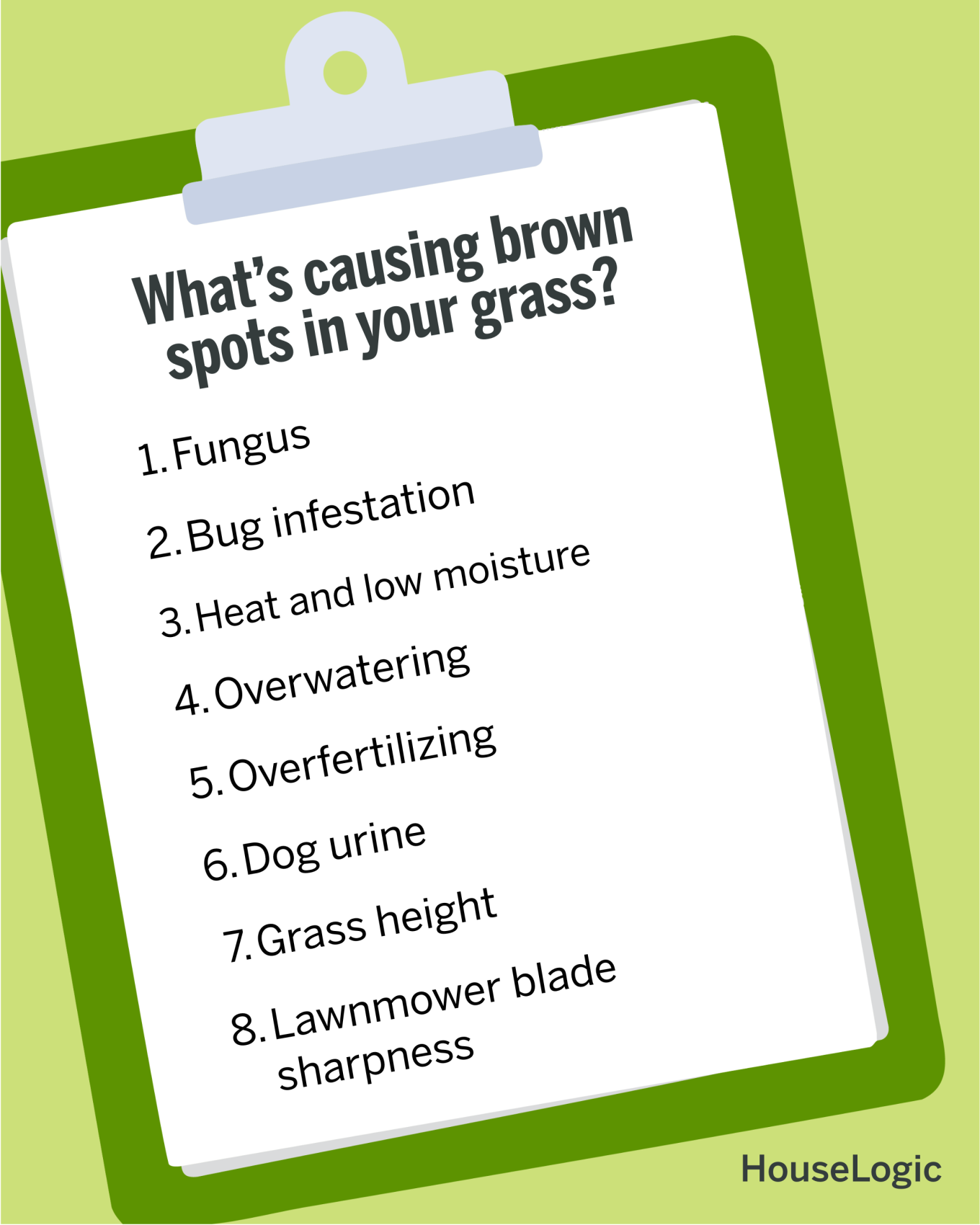
The most common cause of brown spots in grass is fungus, says Monica Rose, founder of Dallas Design and Exteriors, a Dallas-based landscaping design company. Fungus can result from environmental conditions or poor lawn care practices.
Fixes for Brown Spots: If your lawn is prone to brown spots or fungus, aerate your lawn at least once and preferably twice a year, Rose recommends. “A lot of people will go decades without ever aerating their lawn,” she says. Aeration is the process of perforating the lawn to release carbon dioxide and allow oxygen to go to the plant roots, according to Lawn Doctor.
Brown patches might also indicate an insect or bug infestation that you need to address quickly. Chinch bugs, roly-polies (also known as pill bugs), and grubs (the larva stage of beetles) can wreak havoc by feasting on grass roots. Most of these insects and bugs prefer moist or damp soil conditions, according to Rose. You may notice the brown spots emerging where the lawn meets a driveway or sidewalk, since bugs tend to create nests close to edges.
Fixes for Brown Spots: Identify the insect or bug to determine the appropriate treatment. While many pests respond to organic solutions, chinch bugs need synthetic pesticides, Rose explains. For grubs, GrubEx works well, and controlling moisture and removing debris help eliminate pill bugs.
By mid to late July, grass begins to feel the effects of increased heat and decreased moisture, says Josh Larson, sales manager with Greenwise Organic Lawn Care in Skokie, Ill. Homeowners may notice the first signs of grass turning brown after a few days of 90-degree temperatures and inconsistent or poor watering practices. The hotter it gets, the more frequently lawns seem to get watered, he says.
Fixes for Brown Spots: Sometimes homeowners activate their irrigation system in the spring but forget to adjust as weather conditions change in summer, says the National Association of Landscape Professionals. The association advises making sure the irrigation system is running the appropriate amount of time, the sprinkler heads are covering the grass evenly, and the heads are in good repair.
During a drought, you can continue to water your lawn one inch a week or let the lawn go dormant by decreasing the amount to one-half inch every week or two, according to Lawn Love. Mow your lawn less often and increase your mowing height.
Homeowners can overwater their lawns, but so can Mother Nature in the form of humidity and showers. The signs are dying patches of grass, an oversupply of weeds, fungal growth (like mushrooms), and grass that squishes a few hours after being watered, according to Gardening Know How.
Fixes for Brown Spots: Larson recommends deep watering sessions early in the morning a few times a week. This approach allows the water to penetrate deeply into the soil, forcing roots to grow deeper as they follow the water.
“If your lawn is yellow turning brown, that could mean that you’ve overfertilized and you've actually burned your lawn,” Rose notes. You can burn a lawn if you apply fertilizer during the heat of July, don’t read the instructions, or “start spreading it like sprinkles on a cake on cake frosting,” she says,
Fixes for Brown Spots: Lawn Love recommends these three steps:
When your beloved pooch eats and digests protein, nitrogen builds in the blood, according to PetMD.com. The kidneys filter the nitrogen into the urine, and the excess nitrogen can overwhelm your lawn’s root system.
Fixes for Brown Spots: PetMD offers a few options: Rinse the urine spot with water; use low-nitrogen fertilizer; plant urine-resistant grass, like perennial ryegrass or fescue; spot treat with grass seed; or use an enzyme product for treating damaged areas.
How a lawn is mowed is important but often overlooked, Larson says. Factors such as the height and sharpness of the mower blades can stress your lawn in hot weather.
Fixes for Brown Spots: "After June, raise your mower blades by half an inch to an inch for longer grass,” Larson says. “This extra length provides additional shade for the root system. Keeping the root zone even one degree cooler can mean the difference between your grass going completely dormant or surviving the summer heat.”
If a small brown spot appears in your lawn, you may be complacent at first. Brian Rodgers, a real estate broker with Worthington Realty in Fort Worth, Fla., recommends finding a professional to diagnose the problem immediately, certainly before listing your home for sale.
Brown spots in grass may be inevitable at some points during the year. Whether a lawn suffers from heat stress, pests, or less-than-optimal lawn care practices, addressing the causes early can help repair the damage before it grows.
Interested in more real estate tips? Feel free to contact me directly!
Providing a superior level of informed, professional real estate services to buyers and sellers throughout Central Minnesota. We have agents specializing in residential, commercial, multifamily, new construction, existing, investment properties, foreclosures/REO, and short sales with offices located in:
Multiple Office Locations To Serve YOU!
Saint Cloud 320-259-4554
Princeton 320-983-3555
Sartell 320-259-4554
Little Falls 320-259-4554
Minneapolis 763-565-2000
Hutchinson 320-455-9127
Litchfield 320-298-1140
Premier Real Estate specializes in MANY areas around Central MN including Saint Cloud, Waite Park, Rice, Royalton, Sartell,
Who Has the Upper Hand in Today's Housing Market?Ask around and almost every homebuyer out there wants to know if there’s a way to get a better deal. And just about every seller wants to know
How to Find the Right Neighborhood When You MoveHouse hunters can focus so much on a house they want that they unintentionally slight other aspects of a new location. Your new neighborhood is at
Less House, More Home: Why Smaller Homes Are Paying Off for Today’s BuyersYou started shopping with a specific mental image of your future home in your mind. Then the houses in your budget
Do You Still Need a Home Office?Dedicated home offices are transitioning from must-haves to maybes, as many employees spend more days at the workplace. The home office isn’t disappearing, but
 The data relating to real estate for sale on this web site comes in part from the Broker Reciprocity Program of the Regional Multiple Listing Service of Minnesota, Inc. Real estate listings held by brokerage firms other than Premier Real Estate Services are marked with the Broker Reciprocity logo or the Broker Reciprocity thumbnail logo (little black
house) and detailed information about them includes the name of the listing brokers.
The data relating to real estate for sale on this web site comes in part from the Broker Reciprocity Program of the Regional Multiple Listing Service of Minnesota, Inc. Real estate listings held by brokerage firms other than Premier Real Estate Services are marked with the Broker Reciprocity logo or the Broker Reciprocity thumbnail logo (little black
house) and detailed information about them includes the name of the listing brokers.
The broker providing these data believes them to be correct, but advises interested parties to confirm them before relying on them in a purchase decision.
© 2026 Regional Multiple Listing Service of Minnesota, Inc. All rights
reserved
By searching, you agree to the End User License Agreement.
Digital Millennium Copyright Act (DMCA) Notice
The Digital Millennium Copyright Act of 1998, 17 U.S.C. 512 (the "DMCA"), provides recourse for copyright owners who believe that material appearing on the Internet infringes their rights under U.S. copyright law. If you believe in good faith that any content or material made available in connection with our website or services infringes your copyright, you (or your agent) may send us a notice requesting that the content or material be removed, or access to it blocked. Notices and counter-notices should be sent in writing by mail to Michael Bisping, Director, Customer Relations, Regional Multiple Listing Service of Minnesota, Inc, 2550 University Avenue West, Suite 259S
Saint Paul, MN 55114 or by email to mbisping@northstarmls.com. Questions can be directed by phone to 651-251-3200.
